MacOS menu bar app for capturing context throughout the day.
Resource Management Integration
Context
Smartsheet acquired 10,000ft to bring resource management capabilities into the platform. By the time I joined the team, 10,000ft had been renamed Resource Management and the focus was on integrating the two products.
Resource Management was a declining $35M ARR business unit without a clear long-term direction. I worked across a series of initiatives that balanced customer needs, business priorities, and the broader question of how Resource Management could become a sustainable part of the Smartsheet platform.
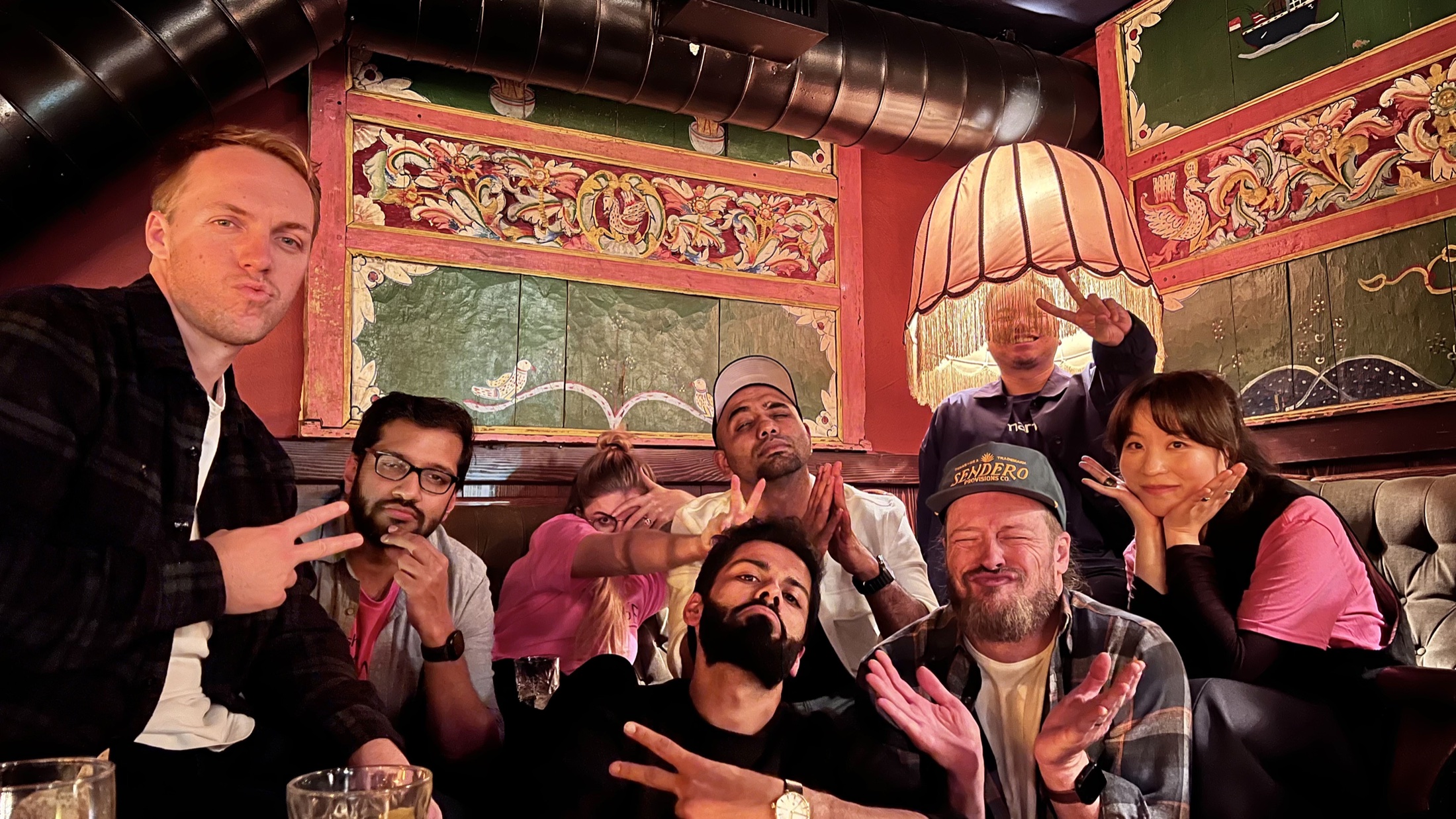
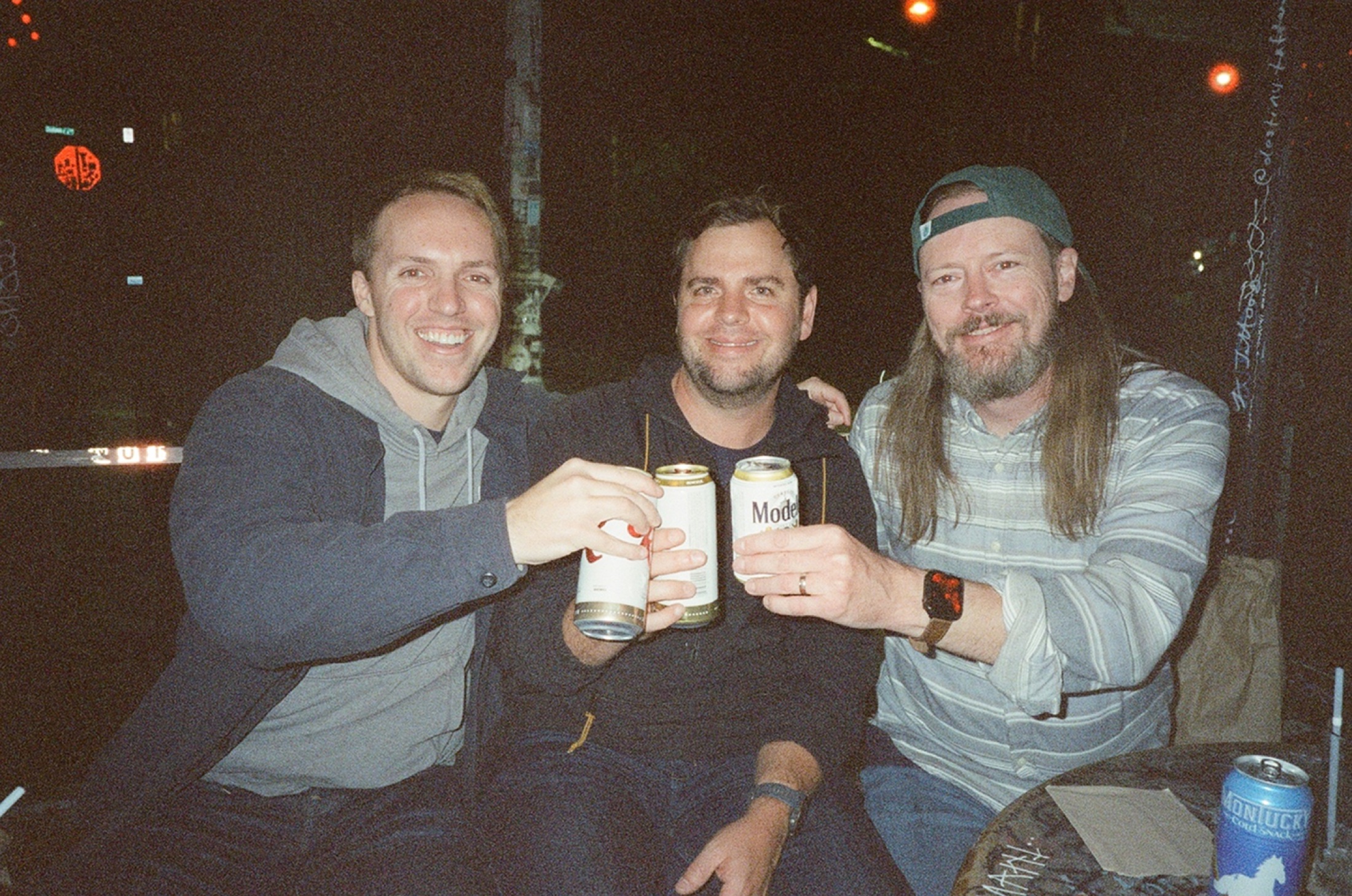
Nearly three years ofResource Management,with some pretty greatpeople along the way.
Nearly three years of Resource Management, with some pretty great people along the way.
Creating demand
Only 4.2% of Smartsheet customers were paying for Resource Management, so we brought its strongest capabilities into Smartsheet to create demand for the premium product.
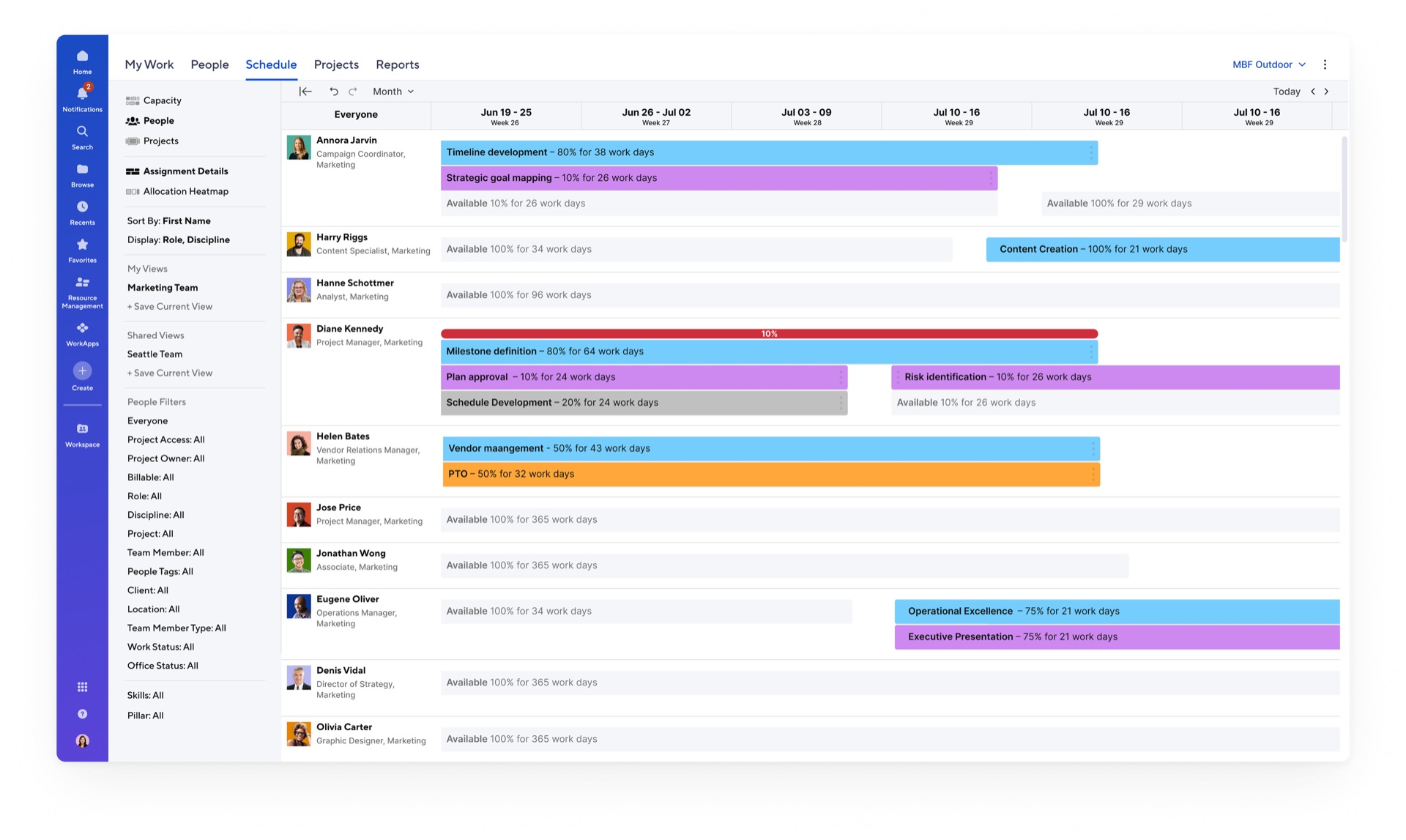
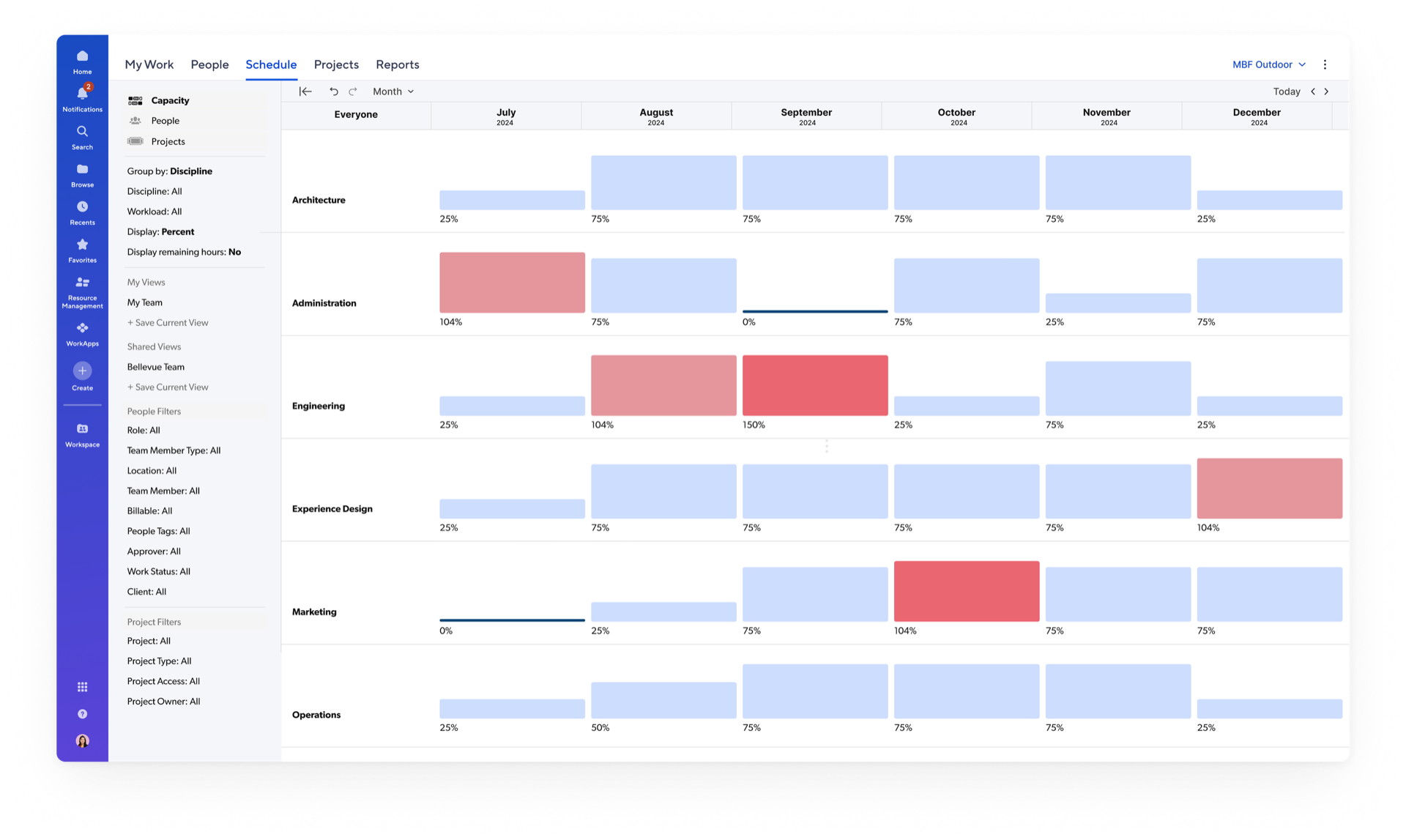
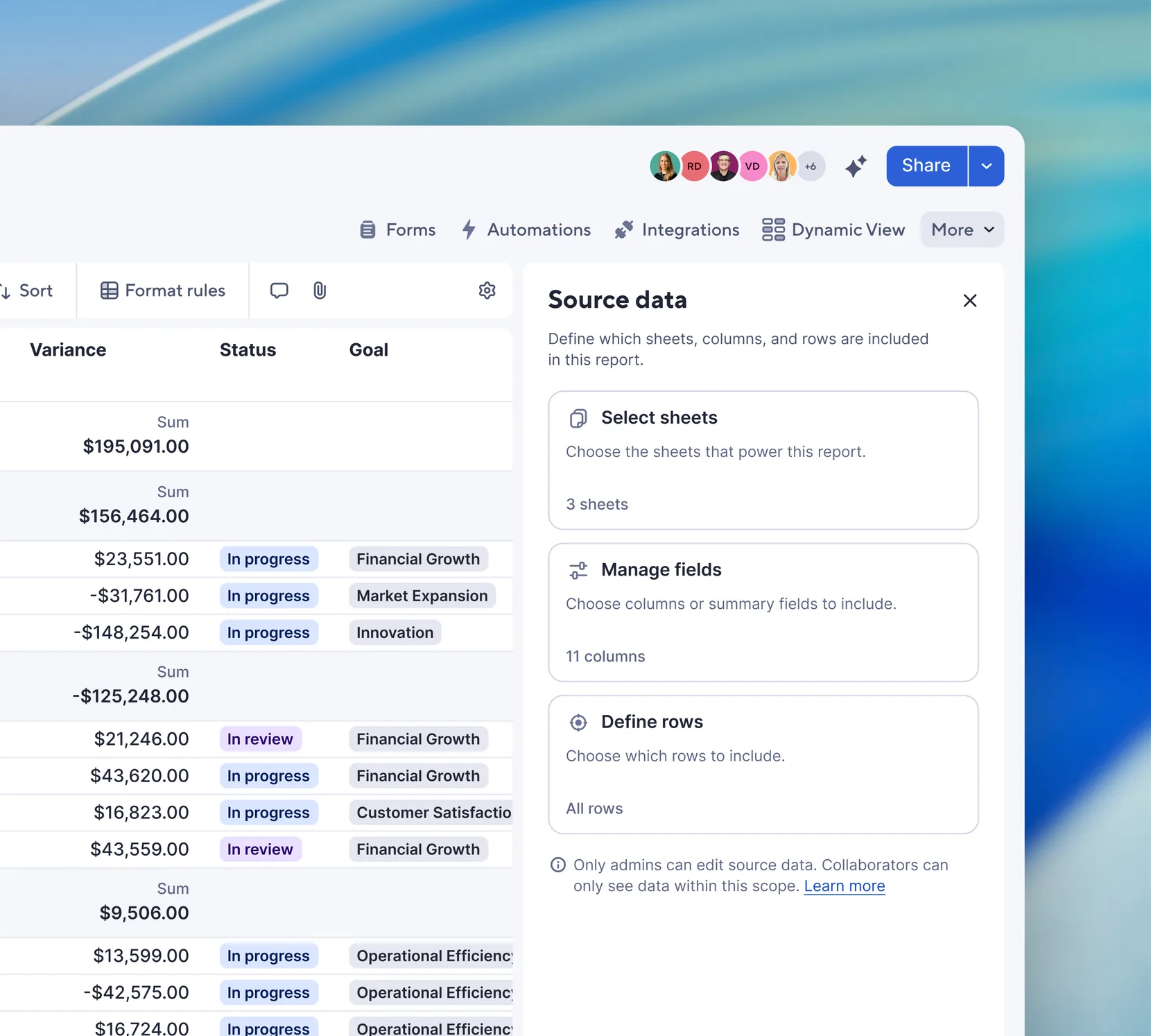
I replaced an error-prone 20+ click onboarding process with a simple column mapping experience that connected Sheets to Resource Management projects. We also brought Resource Management's core workload schedule directly into the Sheet as an expandable full-screen view. The experience improved, but the trial flow into the premium product still relied on a sales-assisted motion, limiting our ability to activate our funnel and materially grow the business.
Customer retention
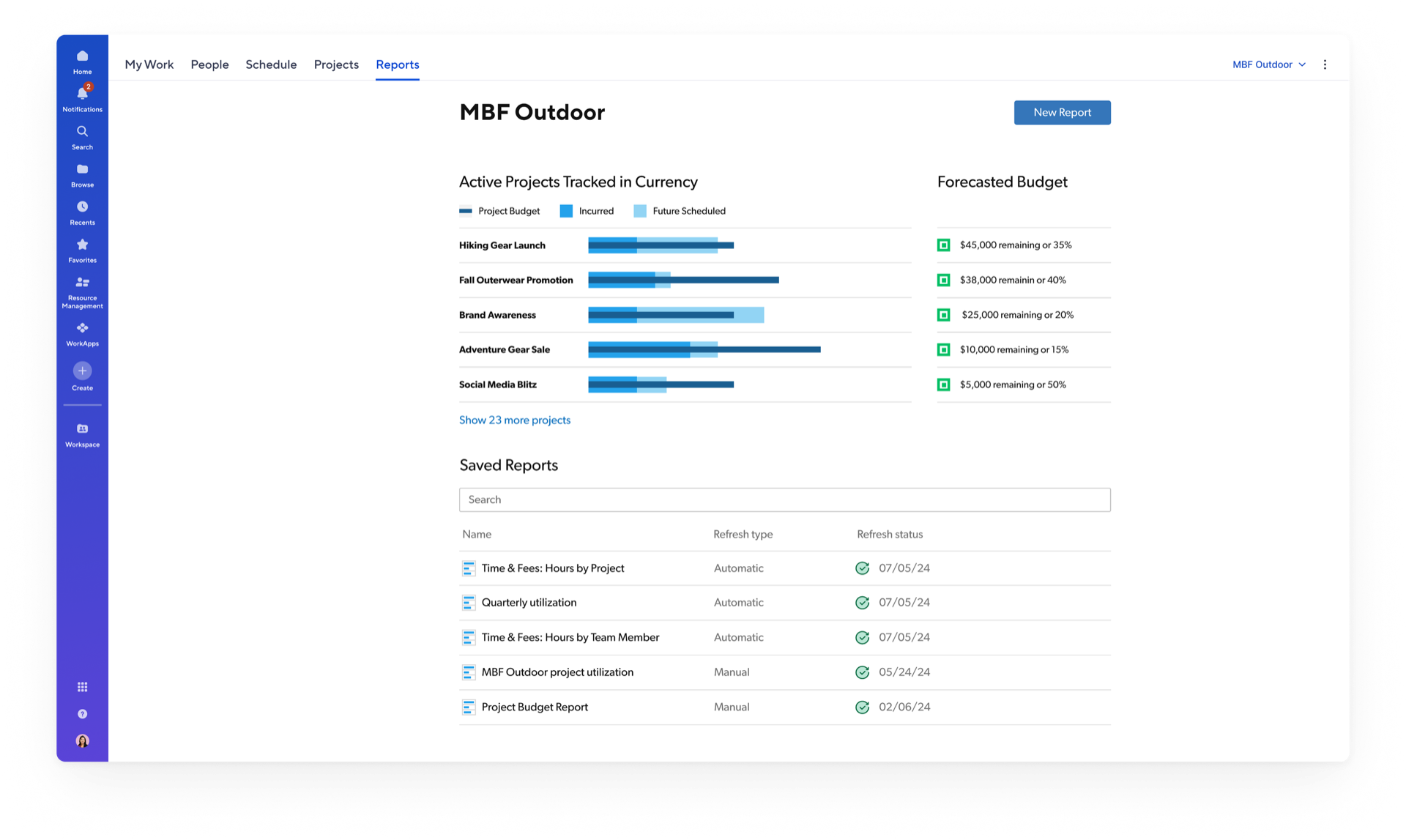
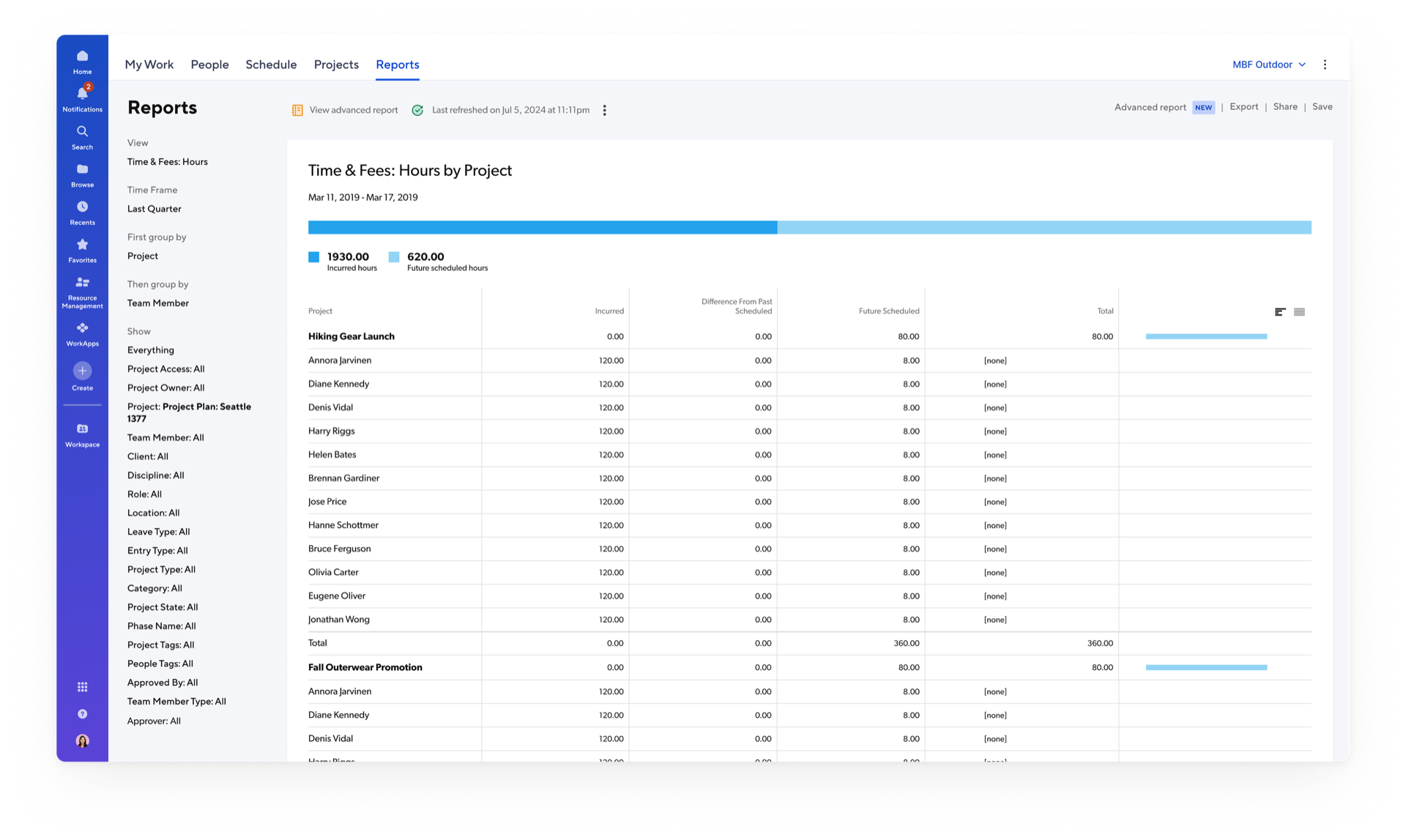
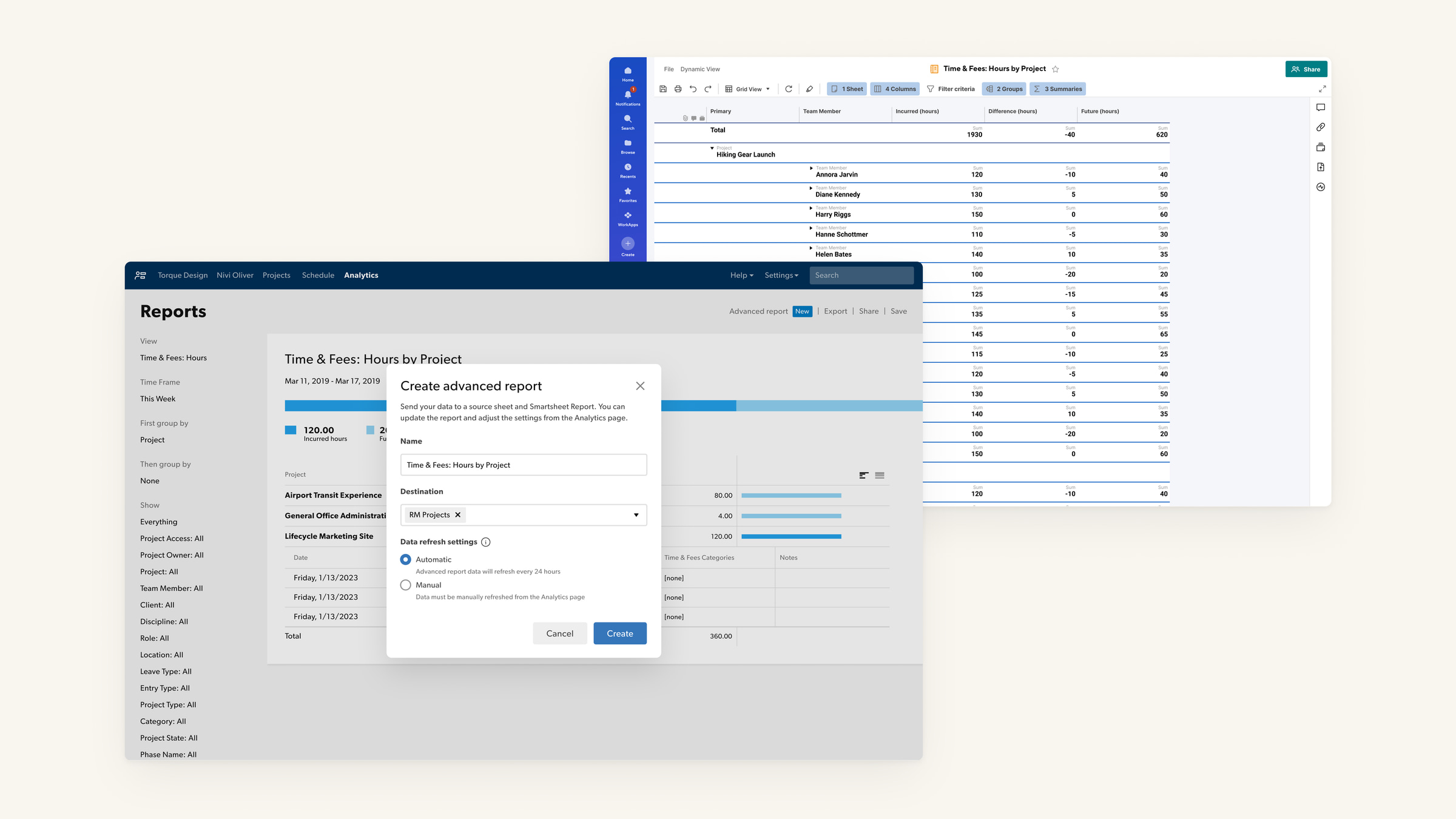
As we continued searching for a sustainable path to growth, our attention shifted to immediate customer retention. Several high-value renewals depended on tighter integration, including sending Resource Management report data into Sheets and keeping it automatically synced.
I defined the direction for that integration using Smartsheet’s Data Shuttle under the hood. I also acted as a player-coach to a junior designer through delivery. The release immediately retained $850K ARR and another $300K ARR shortly thereafter.
Inherited strategy
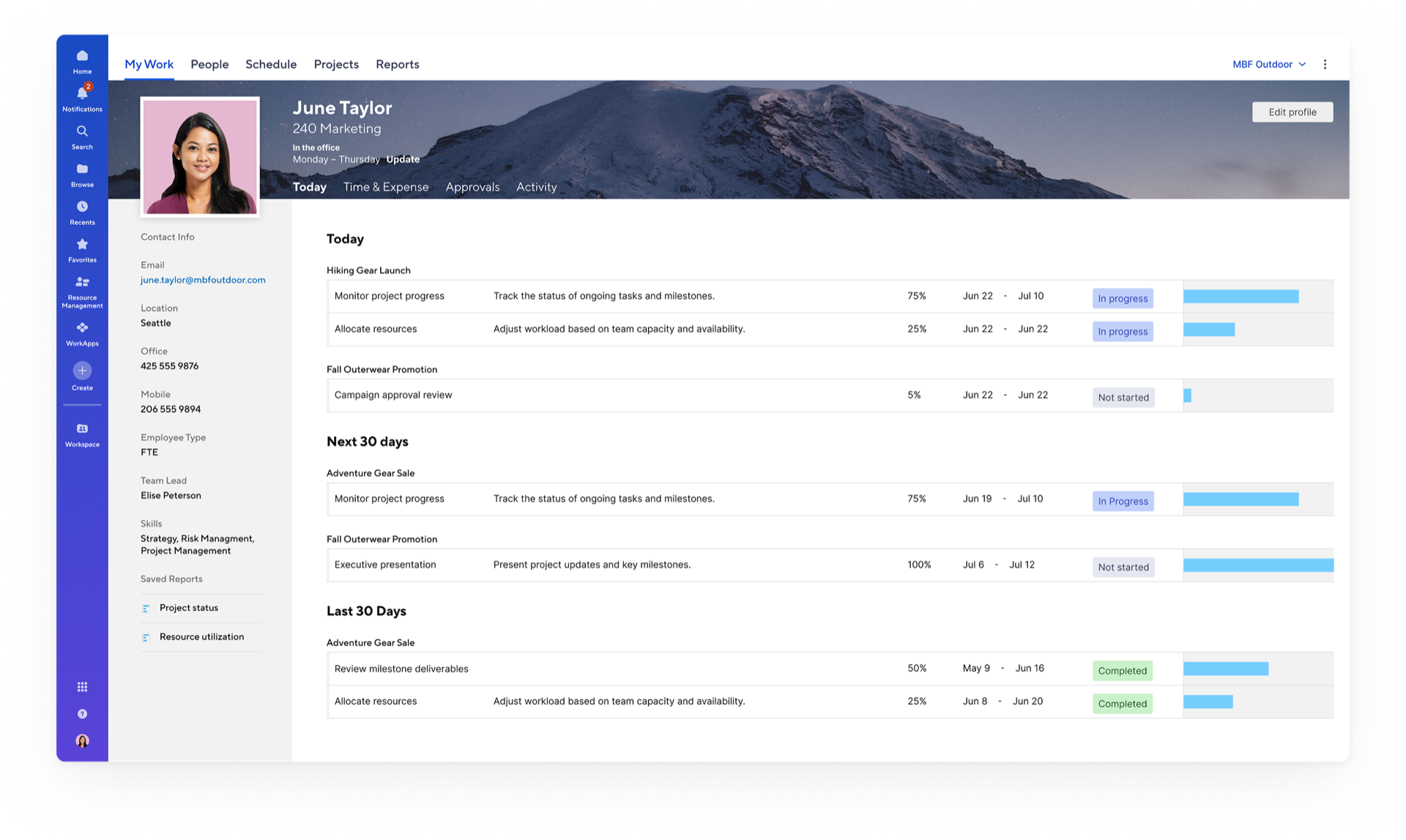
Everything changed when an engineer's hackathon project embedded the entire Resource Management product into Smartsheet's global navigation via iframe. The concept gained traction with leadership and became the plan of record.
It wasn't a product strategy our team had intentionally chosen, but we committed to making it work. This experience instilled a principle I’ve carried with me ever since: if a product team doesn't define a clear and compelling strategy, it will eventually inherit one.
Visibility and vision
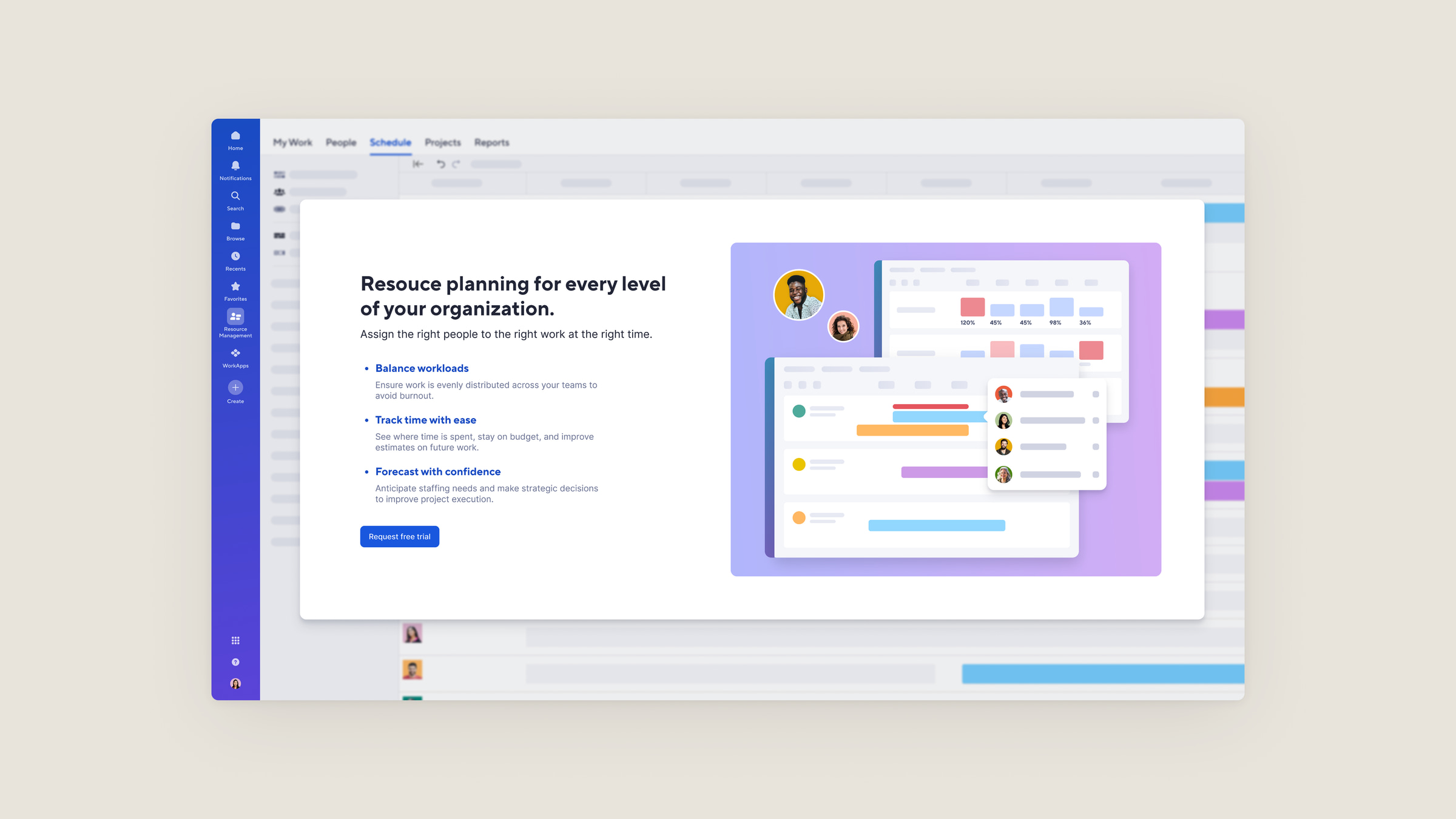
With Resource Management in Smartsheet’s global navigation, existing Smartsheet customers could discover the product and land on an upsell page. For the first time, we could measure discovery and interest, an important signal as Smartsheet approached its private equity takeover.
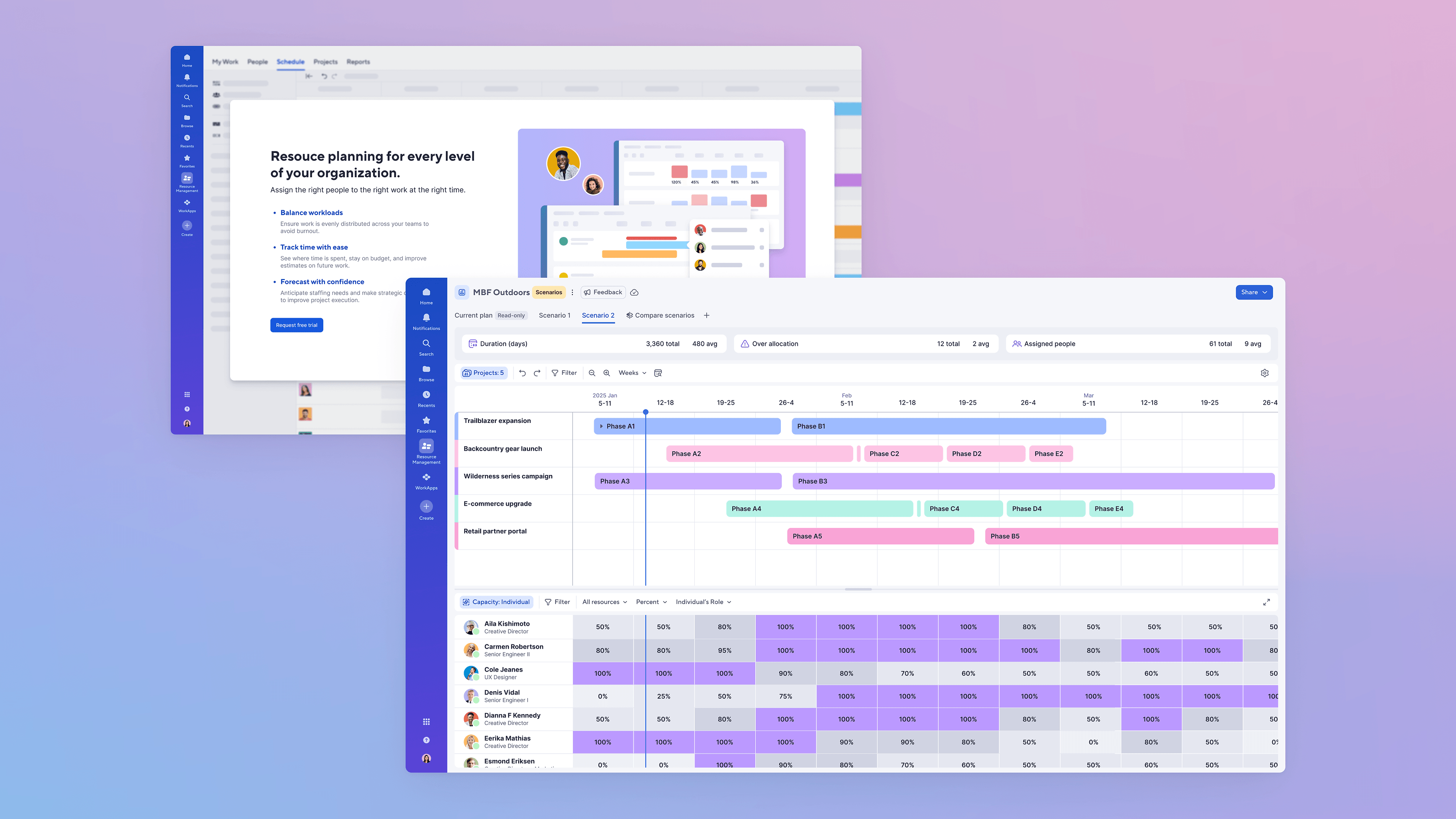
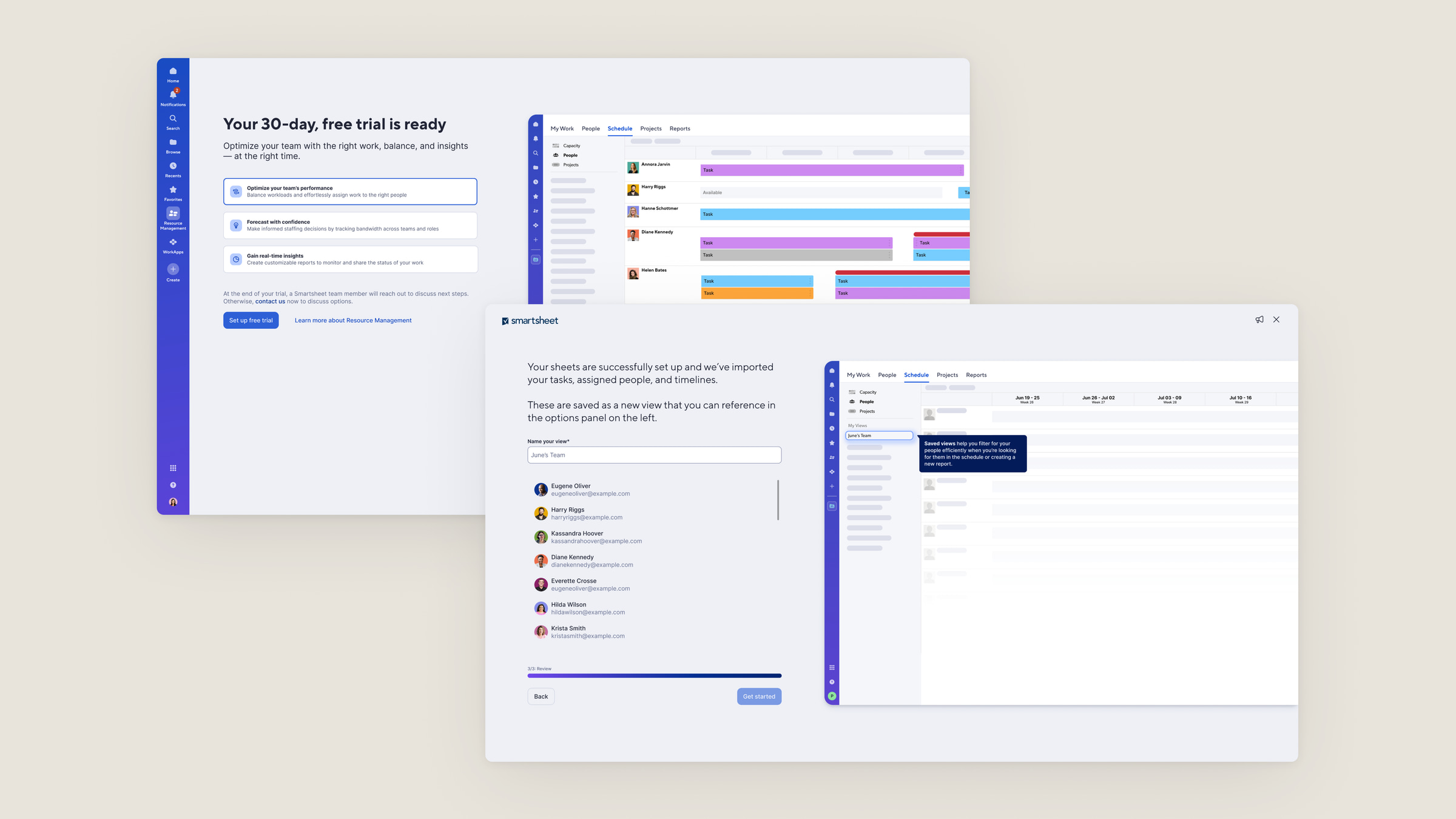
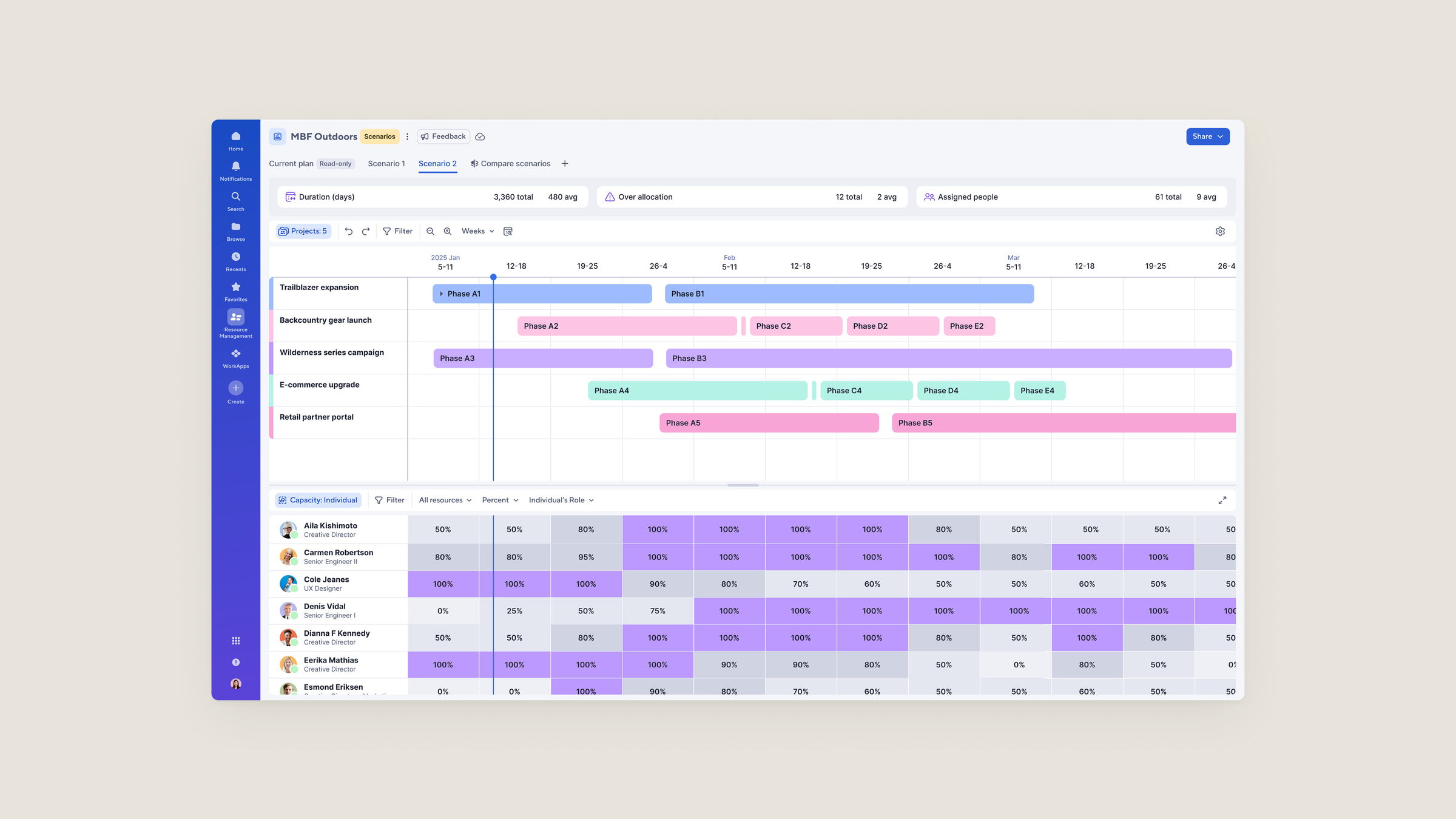
From there, I focused on moving Resource Management toward self-serve and giving customers new reasons to value the product. I designed a trial experience that let customers bring their Smartsheet data into Resource Management in bulk. In parallel, I joined a sales and product tiger team to define Scenario Planning, a new way to explore resource and project changes before committing them to a plan.
Together, self-serve and Scenario Planning became the vision I defined for Resource Management and the foundation for a multi-year roadmap.
Perspective
Resource Management taught me to think about product design through the lens of the business. We were constantly balancing customer needs, experience improvements, and long-term product bets with the day-to-day realities of operating inside a declining business unit.
Some well-intentioned investments failed to move the needle, others directly protected revenue, and the vision we ultimately defined became a multi-year roadmap that endured through Smartsheet's private equity takeover.